
Into the Mist: Confident Steps on Dartmoor at Dawn
Set your compass early and breathe in the quiet hush of first light as we focus on safety and navigation on Dartmoor trails during early‑morning fog. Expect practical strategies, grounded fieldcraft, and stories from the granite uplands, helping you move decisively when visibility shrinks, sounds distort, and familiar tors fade. Read on for preparation tips, route‑finding methods, and calm decision‑making that protect confidence, conserve energy, and turn a grey, uncertain start into a purposeful journey worth sharing with fellow walkers and rescuers alike.
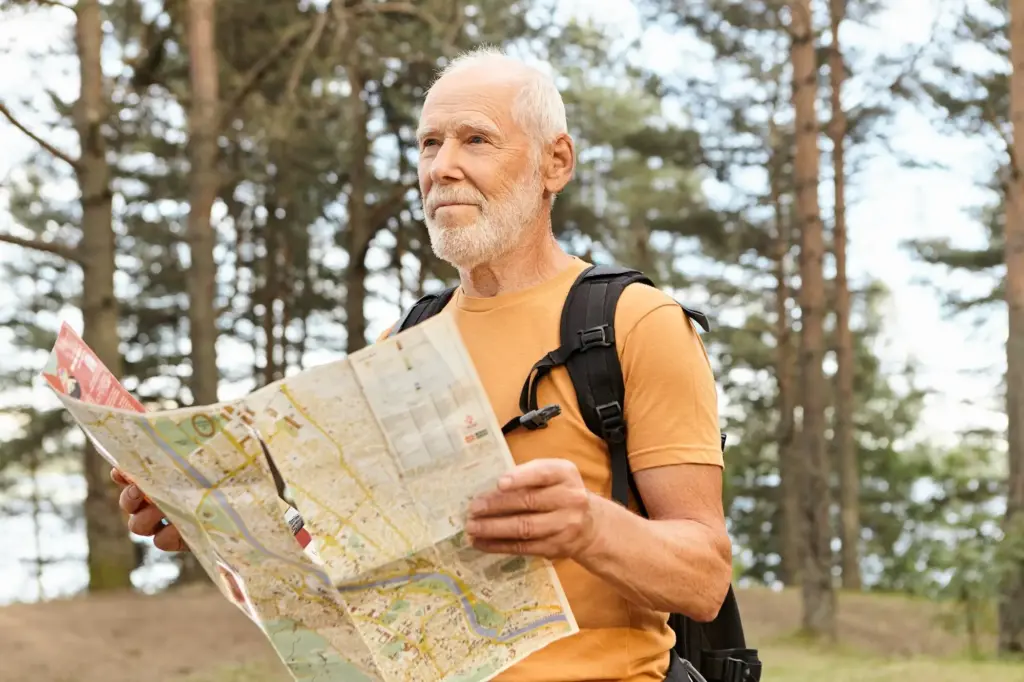
Reading the Moor: How Fog Forms and Behaves at Dawn
Understanding how fog blossoms and drifts over Dartmoor before sunrise turns guesswork into informed judgment. Temperature inversions settle cold air into basins, while damp peat and rivers feed suspended droplets that gather across valleys and saddle points. Clittered slopes and broad plateaus respond differently, obscuring edges unpredictably. By learning these patterns, you choose safer lines, anticipate thinning windows, and decide when to hold position, push on, or re‑route. This foundation reduces nervous haste, invites patience, and builds a mental model that steadies every careful step you take.
Before sunrise, cooling ground chills nearby air, letting denser, moisture‑laden layers slide downhill into gullies, leats, and reentrants. That is why valleys can be socked‑in while a nearby tor briefly sits above a soft blanket. Expect pockets changing minute by minute. If you know which side of a ridge drains cold air, you can angle around rather than through, preserving energy and maintaining orientation when the least resistance coincides with the safest, clearest micro‑corridor available.
Tors flatten into silhouettes, clitter fields blur into uniform grey, and streams seem farther or nearer than they truly are because fog bends and muffles sound. A distant sheep may seem uncomfortably close while a partner’s voice disappears. Accept the deception and lean on disciplined bearings, pacing, and timing rather than intuition alone. Check micro‑features underfoot—slope aspect, tussock density, and subtle dampness changes—to verify your mental map. Calm repetition and methodical confirmation defeat the unsettling theatre created by shifting light and echoing moisture.
Pack Smart for Shifting Grey
Reliable gear transforms uncertainty into manageable routine when the moor turns opaque. Favor layered insulation, a waterproof shell, and bright, reflective accents that punch through diffuse light. Carry a paper OS OL28 map in a case, a mirror‑sighted compass, headlamp with spare cells, charged GPS with offline maps, and a whistle. Add a small emergency bivvy, blister care, high‑energy food, and warm drink. Stow a notepad for route cards, red lens for night‑preserving vision, and reflective bands for group management. Assume electronics can fail, and plan redundancy deliberately.
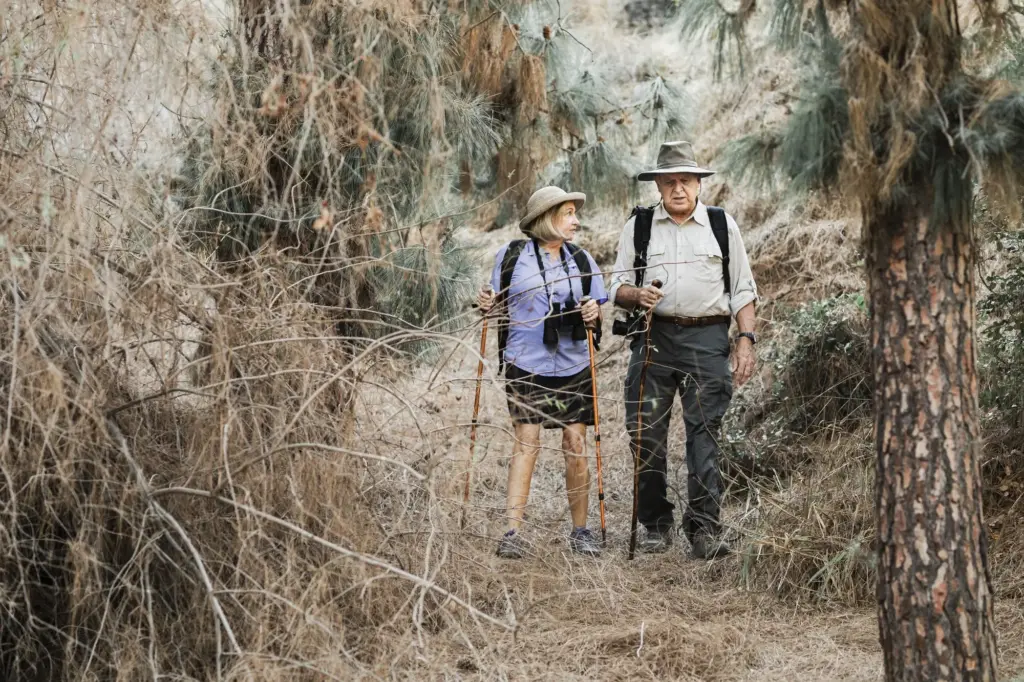

Finding Your Line When the World Turns Milk
Strong navigation under fog is quiet repetition of good habits, not heroics. Take accurate bearings, walk clean lines, and build legs between unmistakable features. Create handrails from streams, walls, leats, or contours. Use catching features to stop overshooting and attack points to tighten accuracy. Marry pacing with conservative timing. If something feels off, halt early, verify, and reset. Precision compounded over small segments beats bold strides into doubt. Small certainties, stacked patiently, carry you safely across the widest, palest expanses.
Avoiding Bogs, Tors, and Hidden Edges
Dartmoor’s hazards are honest but unforgiving when fog muffles depth and distance. Mires such as Fox Tor Mire or remote basins near Cranmere Pool can swallow boots and momentum. Clitter fields around many tors twist ankles when angles hide beneath heather and beads of water. Edges and cuttings appear late, especially near leats and stream banks. Add military training areas with restricted access on selected days. Respect these realities, read the ground, and steer with margin; your choices write the story your feet must then follow.
Dawn Timings, Energy, and Decision Gates
Early starts invite discipline. Set a turnaround time based on daylight, forecast, group strength, and key objectives. Establish contingency legs to roads, bridleways, or distinct boundaries. Pace evenly, snack proactively, and pair warm sips with short map checks that keep hands functional. Decision gates transform uncertainty into choice: continue, pause, or retreat. These planned moments protect morale and reduce friction when visibility shrinks further. A controlled morning beats a glorious push followed by a harried, disorienting retreat across soaked tussocks toward fading confidence.

Three Fogs I Will Not Forget
The Vanished Tor That Was Ten Minutes Left
We aimed for a tor that never appeared, convinced by a gentle breeze and wishful silhouettes. Pacing and timing disagreed. We halted early, plotted a short test leg to a stream bend, and the map clicked into place. The tor had been twenty degrees off and masked by thicker vapour. Ten quiet minutes of correction saved an hour of wandering. That day taught me to trust the numbers before the yearning shape my mind begs to see on the horizon.
The Whispering Leat That Led Us Wrong
Sound carried strangely, pulling us toward a faint trickle that promised orientation. We followed it uphill—impossible, yet persuasive—until a quick contour check exposed the lie. We reset beside a wall, used it as a handrail, and rebuilt confidence one measured leg at a time. The lesson was simple: never crown a single clue king. In fog, truth often arrives as a council of small, agreeing details, not a dramatic voice calling from the grey and asking for trust.
Waiting for Light, Choosing to Turn Back
A meadow of mist swallowed the path, and clitter ahead felt like teeth. We sheltered behind a boulder, pulled on dry layers, brewed tea, and waited for the promised lift. It arrived late and thin, not enough for the rocky traverse we wanted. We turned back, warm and content. Pride murmured, but the group finished smiling with toes intact. Retreat did not erase the morning; it improved it. The moor is generous tomorrow, and we intend to meet it ready.
Treading Lightly on Saturated Moorland
Foggy mornings often mean softened peat and slick grass. Step on rock where possible, avoid widening faint tracks, and accept a slower line that spares fragile ground. Detours around puddles may expand scars; go through the center if footing is safe. Poles help stabilize without gouging. Celebrate clean boots at home, not by scuffing a wet hillside. Your restraint will be invisible to most, yet it echoes tomorrow when the trail remains narrow, resilient, and alive with quiet, recovering textures.
Sharing Space With Wildlife and Stock
Ponies, cattle, and sheep appear suddenly in the haze, startled by shapes and beams. Give generous room, avoid direct approaches, and keep dogs leashed. Calves and foals require extra caution; mothers resent surprises. Stick to existing lines through breeding areas and keep voices low. Early fog belongs to birds hunting and resting along streams and tussocks. Your patience keeps stress low and preserves that timeless morning feeling where animal routines continue undisturbed as your careful steps pass softly through their world.
Supporting the People Who Keep You Safer
Local rescue teams, rangers, and volunteers protect this landscape and those who love it. Learn recommended grid references, carry proper kit, and call early if trouble mounts rather than waiting for daylight heroics. Consider a small donation, attending a skills workshop, or sharing this advice with a friend who rushes plans. Community knowledge multiplies safety far beyond any single walk. When your message arrives asking others to subscribe, comment, or compare notes, you are quietly enlarging the circle that brings everyone home.

Mapping Confidence Before You Step Out
Preparation begins long before boots meet dew. Download offline maps, print your route with variations, and mark bearings for committing legs. Check the Met Office, MWIS, and local reports for fog risk, wind, and temperature swings. Note sunrise, range schedules, and water levels. Pack redundancy for navigation, light, and warmth. Share a route card and check‑in time. Confidence grows from layered planning, not bravado. When the world turns pearl‑white, your prior choices become the quiet hand that guides the morning safely onward.