Mist-Ready Navigation on Dartmoor Mornings

Step into the hush of a Dartmoor dawn and master map and compass skills for traversing low-visibility mornings with calm precision. We will build confidence through practical techniques, rich local detail, and proven strategies that turn swirling fog, hidden tors, and silent leats into readable cues guiding every careful footfall.

Understanding Moorland Mists and Microclimates

Before bearings and gridlines earn your trust, understand how Dartmoor’s early light, cold hollows, and moisture-laden air weave shifting veils of fog across clitter-strewn slopes. Recognize how wind direction, overnight radiative cooling, and valley inversions dictate visibility, shaping every navigational decision you make from first step to final checkpoint.

Decoding the Map with Dartmoor Detail

An OS Explorer map becomes a living landscape when you read Dartmoor’s signatures: bold tors, scattered clitter, etched leats, reedy mires, abandoned tin workings, and old newtake boundaries. Bring contours to life, track slope aspect, and convert neat grid references into vivid, checkable waypoints guiding precise, confident movement through morning murk.

Compass Confidence in Pea-Soup Conditions

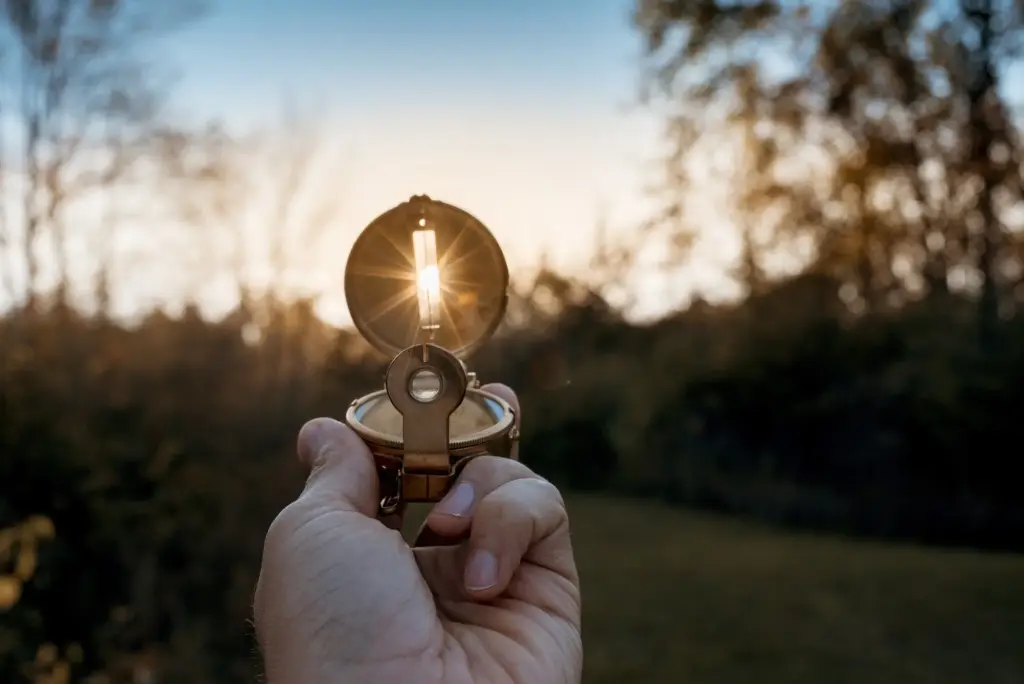
When features blur, a reliable compass and disciplined technique deliver clarity. Learn to set, hold, and check bearings, apply current magnetic information from your map’s diagram, and combine pacing with timing to validate progress. Back bearings, boxing, and micro-adjustments transform indistinct moorland into manageable, bite-sized navigational problems you can solve calmly.

Setting and Following a Bearing

Orient the map to ground, draw your line between checkpoints, then set the capsule carefully and choose a distant, visible marker when possible. In fog, walk the needle, lock elbows, and minimize lateral drift. Build certainty by combining short legs, frequent checks, and small, deliberate corrections grounded in measured distance and time.

Adjusting for Norths

Different norths cause real confusion when visibility shrinks. Review true, grid, and magnetic north, then use the OS map’s current diagram for your grid-magnetic angle. The correction is small yet meaningful in fog. Standardize your process: grid bearings, then consistent adjustment, recorded clearly on your route card to avoid compounding errors.

Tactics That Keep You Found When You Cannot See

Handrails, Catching, and Collecting Features

Choose linear helpers like leats, walls, streams, or contouring paths to steer your line. Intentionally collect features—junctions, bends, boundary corners—then design catchers such as a stream crossing or tor base to stop overshoot. Count features, tick them mentally, and confirm each with pacing and timing before moving forward confidently.

Attack Points and Aiming Off

From a large, unmistakable feature—a junction, enclosure corner, or tor—launch short, precise legs to subtler objectives. Intentionally aim slightly left or right to guarantee hitting a linear handrail. If obstacles intervene, box around them methodically, maintaining distance and direction. Keep legs short, checklists simple, and corrections frequent yet calm.

Relocation Without Panic

Stop, breathe, observe, and think before moving. Orient the map to any available clue—wind, slope, a faint stream’s sound. Use a back bearing to your last certainty, or resection from two identifiable features when visibility flickers. Draw a containment box on your map, then sweep methodically until evidence aligns convincingly.

Planning Safer Dawn Routes and Managing Risk
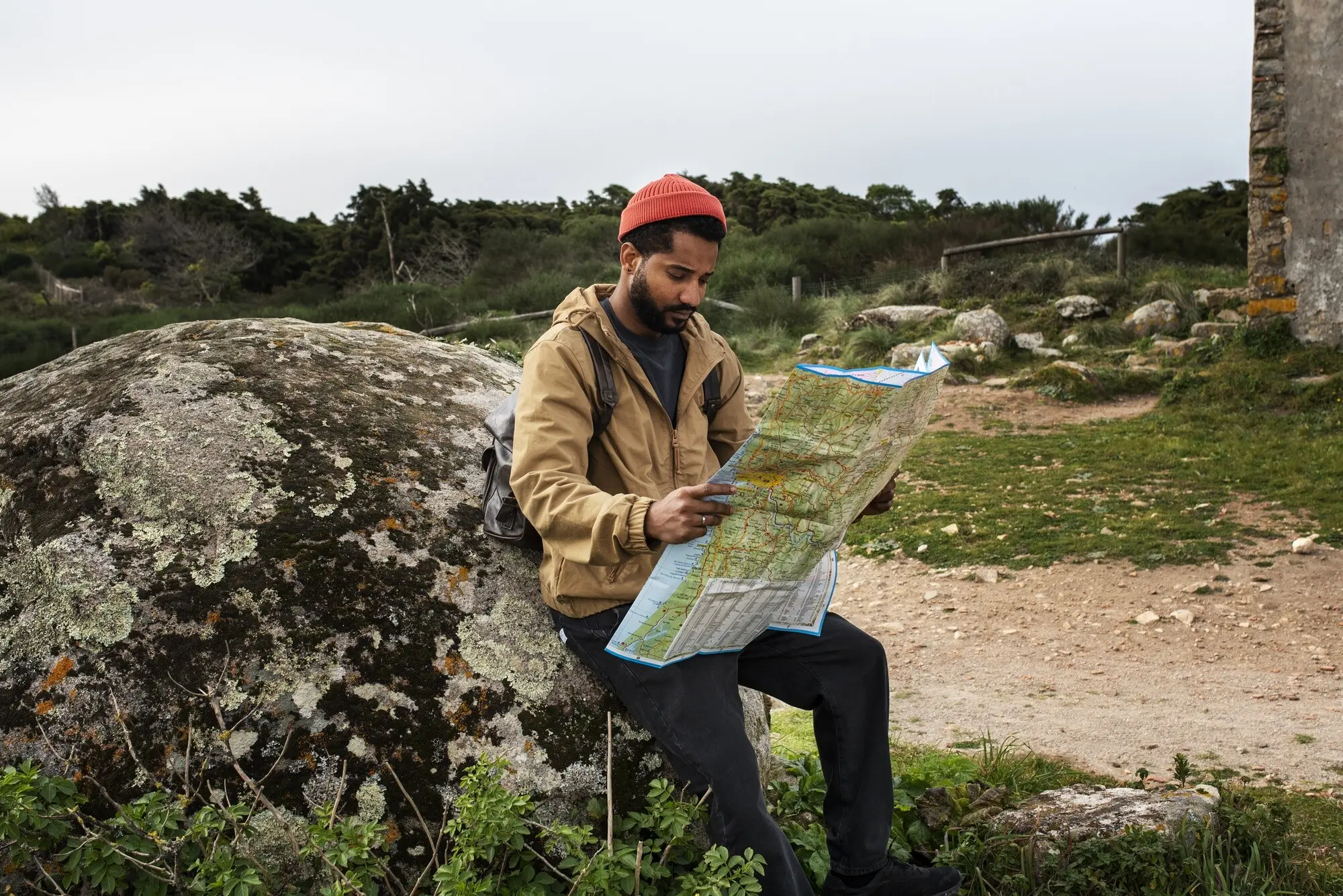
Thoughtful preparation transforms uncertain mornings into rewarding journeys. Build conservative legs, define escape routes, and preselect safe bearings to linear features. Check weather, daylight, and firing schedules. Agree signals, share a route card, and pack redundancy. When the moor turns inscrutable, prior planning gives structure, confidence, and a calm, decisive mindset.

Stories, Drills, and Your Next Step

Practice cements understanding, and stories anchor lessons. Rehearse short legs near familiar tors, then test skills across featureless ground under a safe plan. Learn from real crossings, celebrate disciplined choices, and share experiences. Join the conversation, compare drills, and build a supportive circle that thrives when the moor turns opaque.

A Misty Crossing to Cranmere Pool

We set off before sunrise, frost crunching softly, bearing from a known enclosure corner toward Cranmere Pool’s lonely basin. Pacing ticked steadily through peat hags, then a catching stream confirmed our line. A final attack from a prominent bend brought the letterbox, proof that patient micro-navigation conquers the most stubborn fog.

Night-Nav as a Training Proxy

Darkness mimics fog’s uncertainty without waiting for rare weather windows. Choose a safe training ground near a tor, plan short legs, and rehearse bearings, pacing, and relocation protocols. Compare time-on-leg predictions with reality, and debrief immediately. Consistency at night builds the muscle memory you will trust in morning clag.

Share, Subscribe, and Compare Notes

Tell us your hardest Dartmoor leg, the bearing that saved your day, or the handrail you now trust completely. Post a comment with your favorite drills and lessons learned. Subscribe for printable route cards, checklists, and practice challenges, and invite a friend who loves the moor when visibility vanishes.
Telisavikavitemipentokento
Privacy Overview

This website uses cookies so that we can provide you with the best user experience possible. Cookie information is stored in your browser and performs functions such as recognising you when you return to our website and helping our team to understand which sections of the website you find most interesting and useful.