
Chasing First Light Along Dartmoor's Misty Paths

Wake to the hush of heather and granite as dawn loosens the night and fog unspools across the moor. Here we explore sunrise photography techniques for misty Dartmoor footpaths, blending fieldcraft, patience, and practical craft so your images breathe. Expect lived examples, gentle guidance, and prompts that nudge you outdoors before the first curlew call, then share your dawn attempts and subscribe for more field notes.

Reading the sky before dawn

Step outside while the constellations still fade, and watch low clouds drift over tors to gauge movement and density. Notice wind direction on your cheeks, feel humidity in your breath, and sketch a first frame in your mind before the horizon bruises gold.

Working with layers of fog

Fog stacks in gentle strata across shallow valleys; higher shelves may clear sooner while hollows hold silver long after sunrise. Move laterally along the path to reframe layers against distant tors, letting each veil reveal silhouettes, fenceposts, and grasses rising like tiny oars.

Timing the first break of sun

The best moment often arrives as the sun just kisses the rim of a cloud bank, sending shy beams through damp air. Be ready to pivot positions, shift a few meters, and accept imperfection while catching that quiet ignition along the track.

Understanding Light, Mist, and Moorland Mood

In these high, wind-brushed uplands, mist often blooms when cool air pools in combes and the first light skims wet grass. Learning how fog behaves, where it lingers, and when it thins lets you anticipate whispers of shape, shadow, and gleam, turning small adjustments into memorable, quietly luminous frames.

Lenses and focal lengths for breathing space
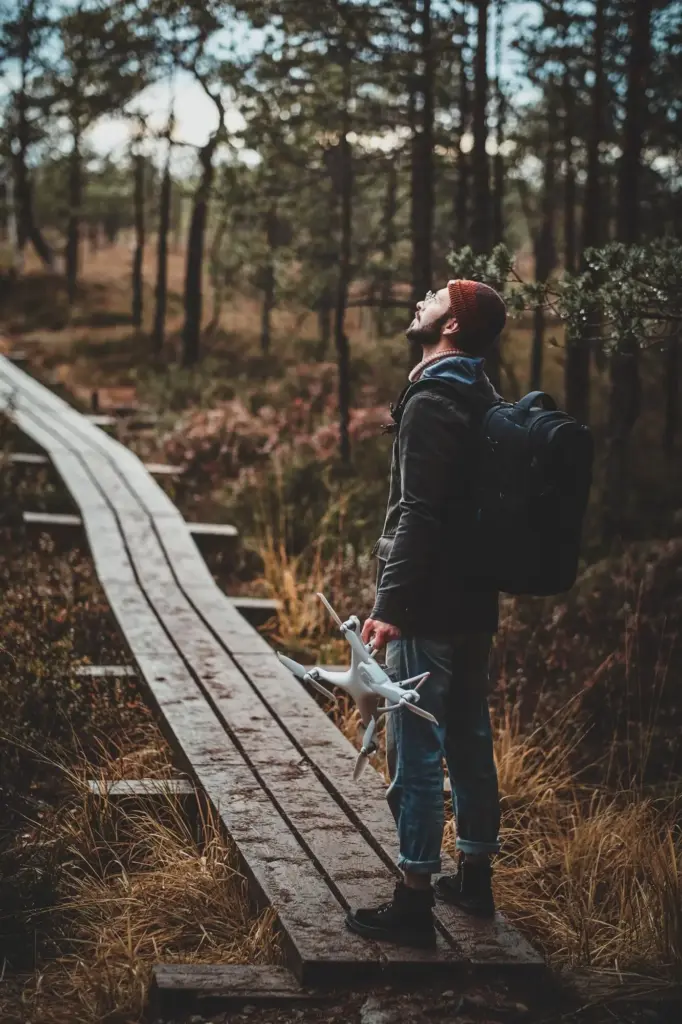
Carry a lightweight wide-to-normal zoom for storytelling breadth, and a modest telephoto to compress receding hedgerows and layered mist. Prime lenses shine for low flare and contrast, yet flexibility often wins when sunrise windows shift in minutes along uncertain, winding tracks.

Tripods, feet, and stability on slick granite

Stability starts with dependable legs and sure footing. Choose spiked or rubber feet to suit slick granite and peat. Hang a bag to dampen vibration, spread legs low against wind, and practice quick, quiet adjustments so wildlife and walkers remain undisturbed.

Compositions That Invite Wanderers Onto the Path
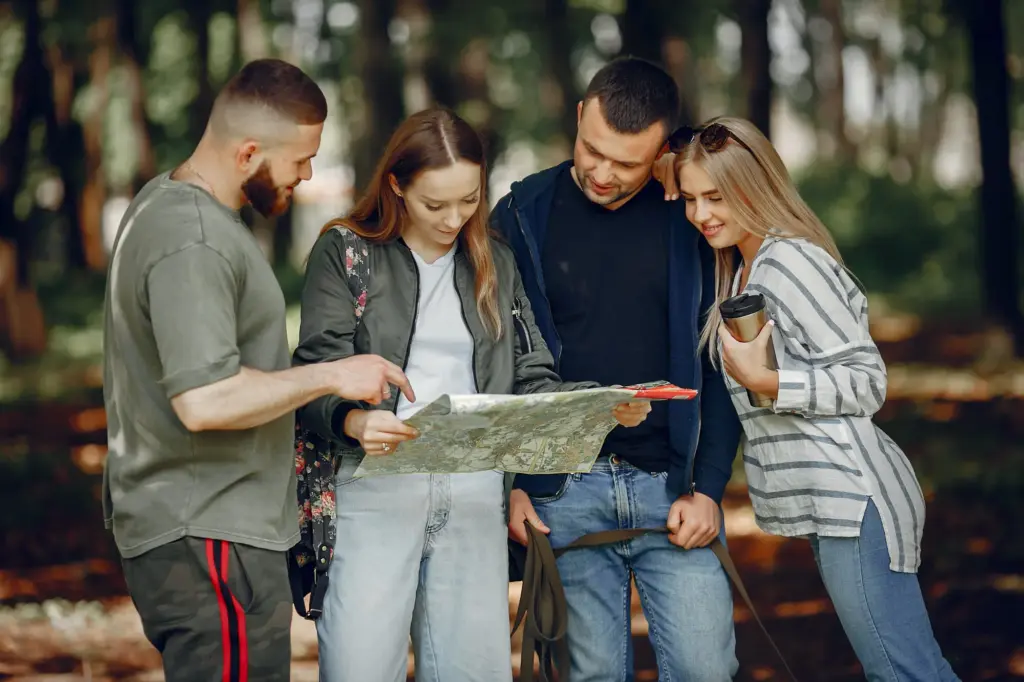
Human-scale anchors and honest footprints
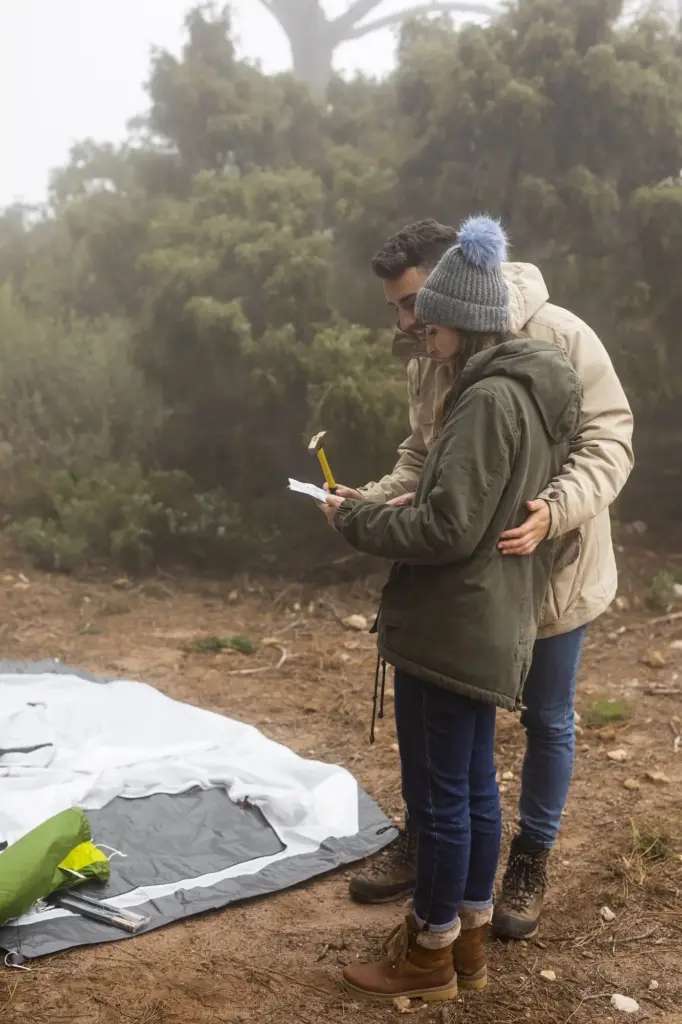
A lone walker, a dog’s soft silhouette, or even your own bootprint placed near the frame’s edge can ground the scene. These gentle markers create empathy and proportion, guiding eyes forward while preserving the morning’s private, almost sacred quiet.

Foreground tactility without clutter

Search the verges for heather bells, dew-jeweled cobwebs, or lichen textures, then keep them clean and intentional. A thoughtful stone, tuft, or puddle ripple can invite touch and smell in the mind, enriching depth without crowding the path’s guiding arc.

Negative space, emptiness, and breath

Let breathable negatives of sky and pale fog relieve your frame, especially when hedgebanks or tors press busy textures. Space leaves room for feeling; it slows the gaze and accentuates the gentle pull of the footpath as day begins.

Exposure, Color, and White Balance Inside the Haze
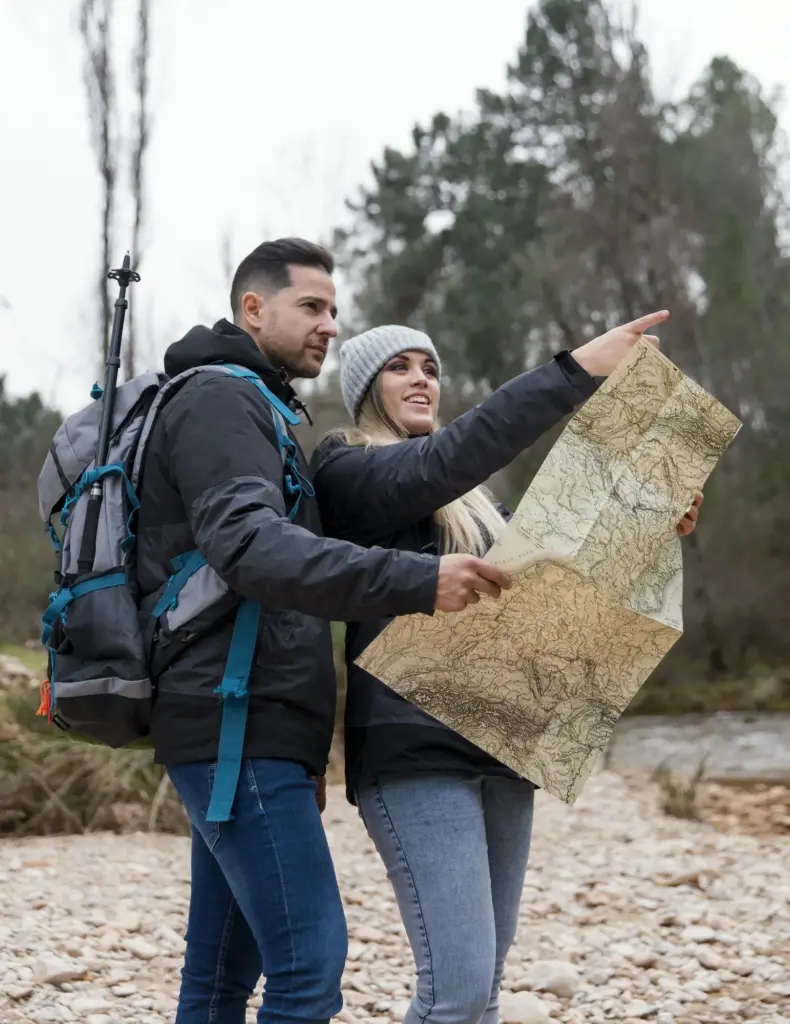
Fog is a diffuser and trickster, muting contrast while brightening apparent sky. Expose with care to preserve whites on wet rocks and whispered highlights across dew. Color shifts fast at sunrise; balance honesty with mood so the scene’s breath remains believable.

Focusing When Contrast Vanishes

Mist steals edges and dulls autofocus. You can still achieve crisp intention by choosing focus tactics that respect low contrast and subtle movement in grass heads. Prioritize method over hurry, then check carefully at high magnification before the sun climbs.

Respect for the Moor: Safety, Access, and Quiet Footsteps

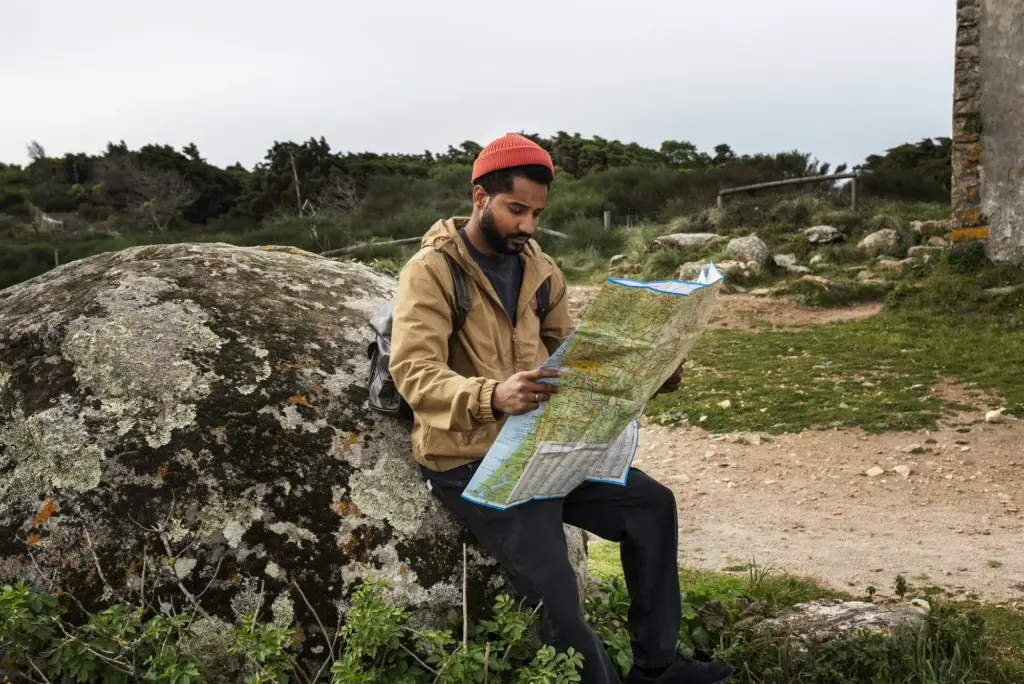
The moor grants beauty when treated kindly. Keep boots to established lines, close gates carefully, and respect seasonal ground-nesting birds. Weather shifts quickly; carry map, compass, and a charged phone, and tell someone your plan so sunrise doesn’t become searchlight noon.

Treading lightly on fragile paths and boggy ground

Footpaths thread fragile soils and blanket bog; step wide of saturated margins and avoid trampling sphagnum mounds that store precious water. If you must sidestep puddles, rejoin promptly, keeping erosion narrow so tomorrow's walkers inherit a living, continuous invitation.

Sharing sunrise with livestock, riders, and early walkers

Ponies browse with calm curiosity, cattle can surprise around bends, and riders move quietly at first light. Give space, read body language, and wait with your tripod tucked in. A respectful pause becomes part of the cadence your photograph remembers.

Weather windows, mapping, and escape routes

Cloud can fall without warning, and compass bearings beat phone batteries when cold bites. Keep an exit line in mind, track time, and turn back earlier than pride suggests. Images are gifts; coming home safe is the real masterpiece.
From Raw Grey to Poetic Glow: Post-Processing with Restraint

Editing should polish what dawn already whispered. Resist overzealous clarity that shreds fog’s gentleness. Favor delicate local contrast, feathered masks, and subtle color harmony so viewers feel thin sunlight finding its way along wet stones and greening edges of the track.
Dehaze invites temptation; apply just enough to reveal silhouette separation without collapsing atmosphere. Counter with a soft curve and a touch of midtone contrast, then revisit blacks so shadowed bracken still breathes and glows instead of sinking into anonymous, muddy gloom.
Lean into gentle complementary palettes drawn from granite greys, gorse yellows, and the faint lavender of retreating shadow. Keep saturation below memory, then nudge warmth where first light touches path edges so viewers sense temperature as much as color.
Telisavikavitemipentokento
Privacy Overview

This website uses cookies so that we can provide you with the best user experience possible. Cookie information is stored in your browser and performs functions such as recognising you when you return to our website and helping our team to understand which sections of the website you find most interesting and useful.